Change Management: Leading Organizations Through Transformation
Change is no longer an occasional disruption—it is a constant reality. Organizations today face rapid technological advancements, evolving customer expectations, and shifting workforce dynamics. Effective change management ensures that these transitions a


This article explores three critical pillars of change management:
- Leading Organizational Change
- Employee Engagement During Change
- Cultural Transformation
Together, these elements form the foundation for sustainable and successful organizational transformation.
- Leading Organizational Change
Leading organizational change requires more than a well-designed plan—it demands strong leadership, clear communication, and strategic alignment. Whether an organization is undergoing restructuring, adopting new technologies, or redefining its operating model, leaders play a central role in guiding the transition.
Best Practices for Leading Change:
- Establish a Clear Vision: Employees need to understand why change is necessary and how it aligns with the organization’s long-term goals.
- Lead from the Top: Visible commitment from leadership builds trust and credibility throughout the organization.
- Communicate Transparently: Regular updates reduce uncertainty and help employees feel informed and involved.
- Empower Change Champions: Identifying internal advocates helps reinforce the message and accelerate adoption.
- Measure Progress: Tracking milestones and outcomes ensures accountability and enables timely adjustments.
Successful change leaders focus not only on processes and systems but also on people—recognizing that human behavior ultimately determines whether change succeeds or fails.
- Employee Engagement During Change
Periods of change often trigger uncertainty, resistance, and anxiety among employees. Maintaining engagement during these times is essential to preserving productivity, morale, and organizational stability.
Strategies to Maintain Engagement and Productivity:
- Involve Employees Early: Including teams in planning and decision-making increases ownership and reduces resistance.
- Provide Training and Support: Upskilling employees ensures they feel confident navigating new tools, roles, or workflows.
- Acknowledge Concerns: Creating safe spaces for feedback helps address fears and build trust.
- Recognize Effort and Progress: Celebrating small wins reinforces positive behavior and motivation.
- Maintain Consistency: Clear expectations and stable leadership help employees remain focused during uncertainty.
Engaged employees are more adaptable, resilient, and willing to support change initiatives—making engagement a strategic priority rather than a secondary concern.
- Cultural Transformation
Culture is often described as “how things are really done” within an organization. For change to be sustainable, organizational culture must align with strategic objectives and core values.
Aligning Culture with Strategy:
- Define Desired Behaviors: Clearly articulate the behaviors and mindsets that support the organization’s vision.
- Align Leadership Actions: Leaders must model the cultural values they expect others to adopt.
- Integrate Culture into Systems: Performance management, rewards, and promotion criteria should reinforce desired behaviors.
- Encourage Collaboration and Trust: Open communication and cross-functional teamwork strengthen cultural alignment.
- Commit to Long-Term Change: Cultural transformation is gradual and requires consistent reinforcement over time.
Organizations that invest in cultural alignment are better positioned to execute strategy, retain talent, and respond effectively to future challenges.
Conclusion
Change management is not just about managing transitions—it is about enabling people to move forward with clarity, confidence, and commitment. By leading change effectively, engaging employees throughout the process, and aligning culture with strategy, organizations can transform challenges into opportunities for growth and innovation.
In an era defined by constant change, those who master change management will not only survive—but thrive.
Related

EU Sustainability Reporting for Non-EU Companies: What Global Businesses Need to Know
Sustainability reporting is no longer an issue limited to companies headquartered within the European Union. The EU's sustainability reporting framework can also affect non-EU companies with ...
Read more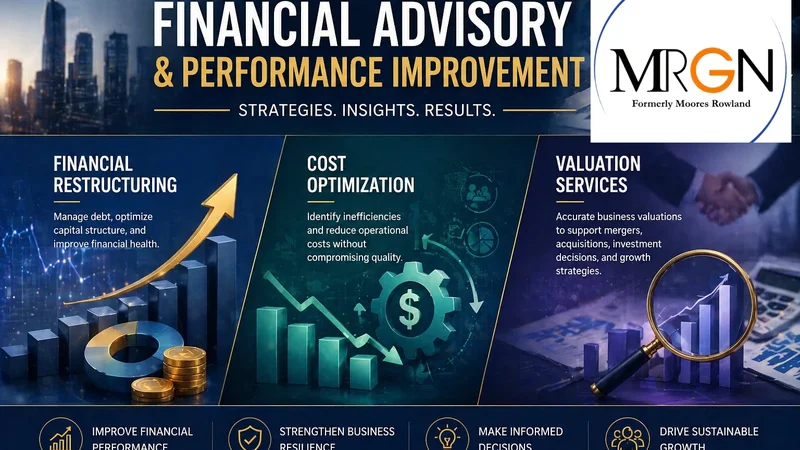
Financial Advisory and Performance Improvement: Driving Sustainable Business Value
In an increasingly competitive and uncertain economic environment, organizations must continuously refine their financial strategies to remain resilient and profitable. Financial advisory and per...
Read more
Leadership and Talent Management in a Competitive Business Landscape
In today’s rapidly changing business environment, organizations are recognizing that sustainable success depends not only on strategy and technology, but on people. Leadership and talent management...
Read more